
Quality first teaching
Our approach to resource design is intentional and consistent across all year groups and subjects. It is designed to reduce cognitive load, support independence, and ensure all pupils can access and engage with the same ambitious curriculum. This approach particularly benefits pupils with SEND, while also providing appropriate stretch and challenge for Gifted and Talented students, enabling every learner to succeed and make strong progress.
Inclusive resource design
Each subject uses a consistent colour scheme and PowerPoint format/layout across all lessons. This consistency provides predictability and routine, which is particularly supportive for SEND pupils, including those with ASD or anxiety. It also helps students mentally prepare for learning by allowing them to immediately recognise the subject, while reducing cognitive demand as pupils do not need to reorient themselves to new layouts or formats.
All learning materials use a dyslexia-friendly font, with key information highlighted through bold text rather than underlining or italics. This approach improves readability and reduces visual stress, supporting pupils with dyslexia and other literacy needs, while also making information clearer and more accessible for all students.
Shared learning plan
Each PowerPoint begins with a shared long-term learning plan that is accessible to students, parents, and tutors. This makes learning transparent and purposeful, helping students understand how individual lessons fit within the wider curriculum. It also enables parents and tutors to support pre-teaching and reinforcement at home, which is particularly valuable for SEND pupils. In addition, students have access to revision guides and shared resources, allowing them to revisit and pre-learn content independently.
All PowerPoint resources are shared with students to enable them to review lesson content as often as needed. This supports consolidation at an individual pace, strengthens recall of key knowledge, and benefits pupils who require repetition, pre-teaching, or overlearning. Sharing the same resources with parents, carers, and tutors ensures consistency and clarity between classroom teaching and home support, strengthening the home–school partnership and supporting sustained progress.
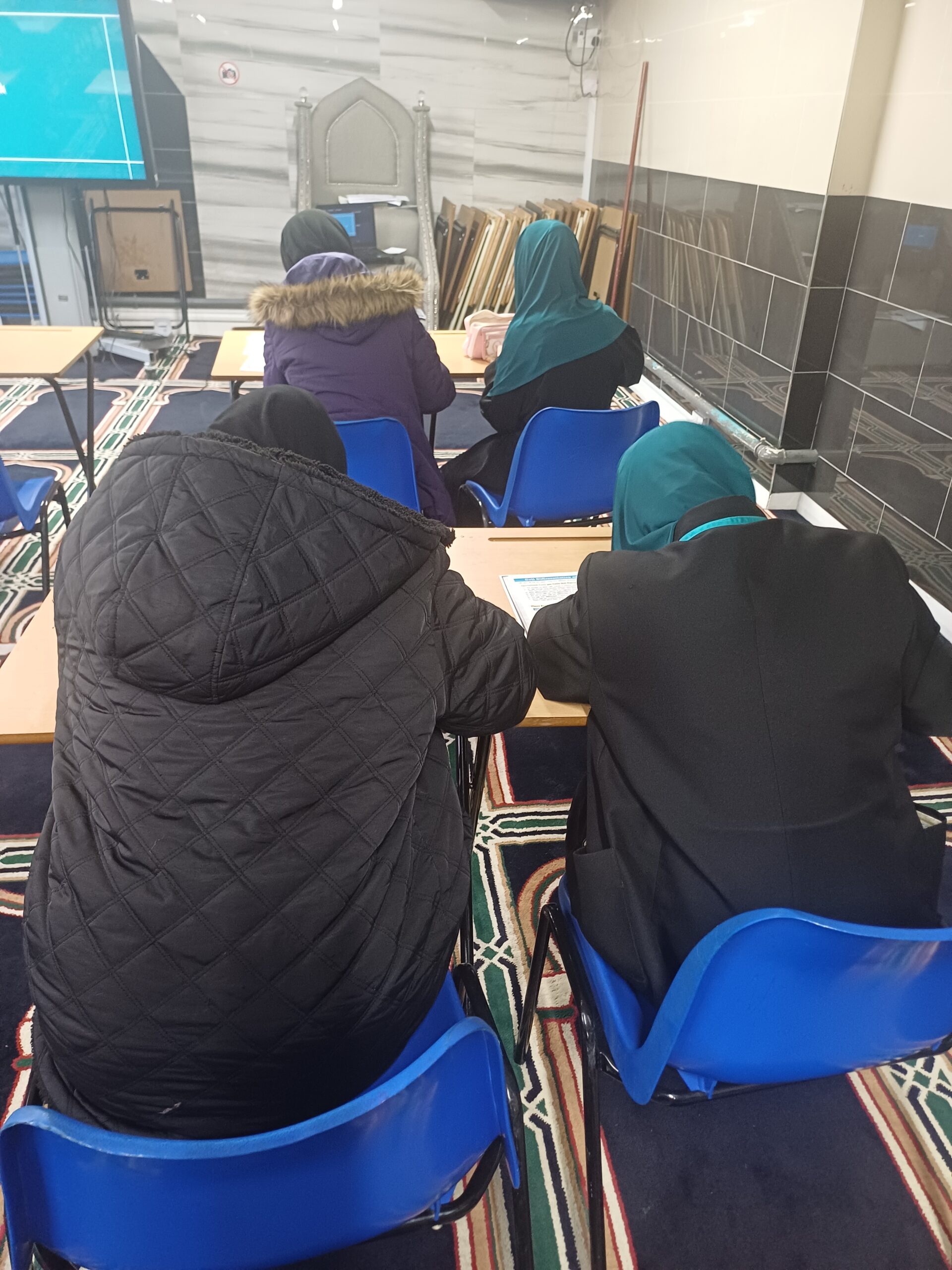
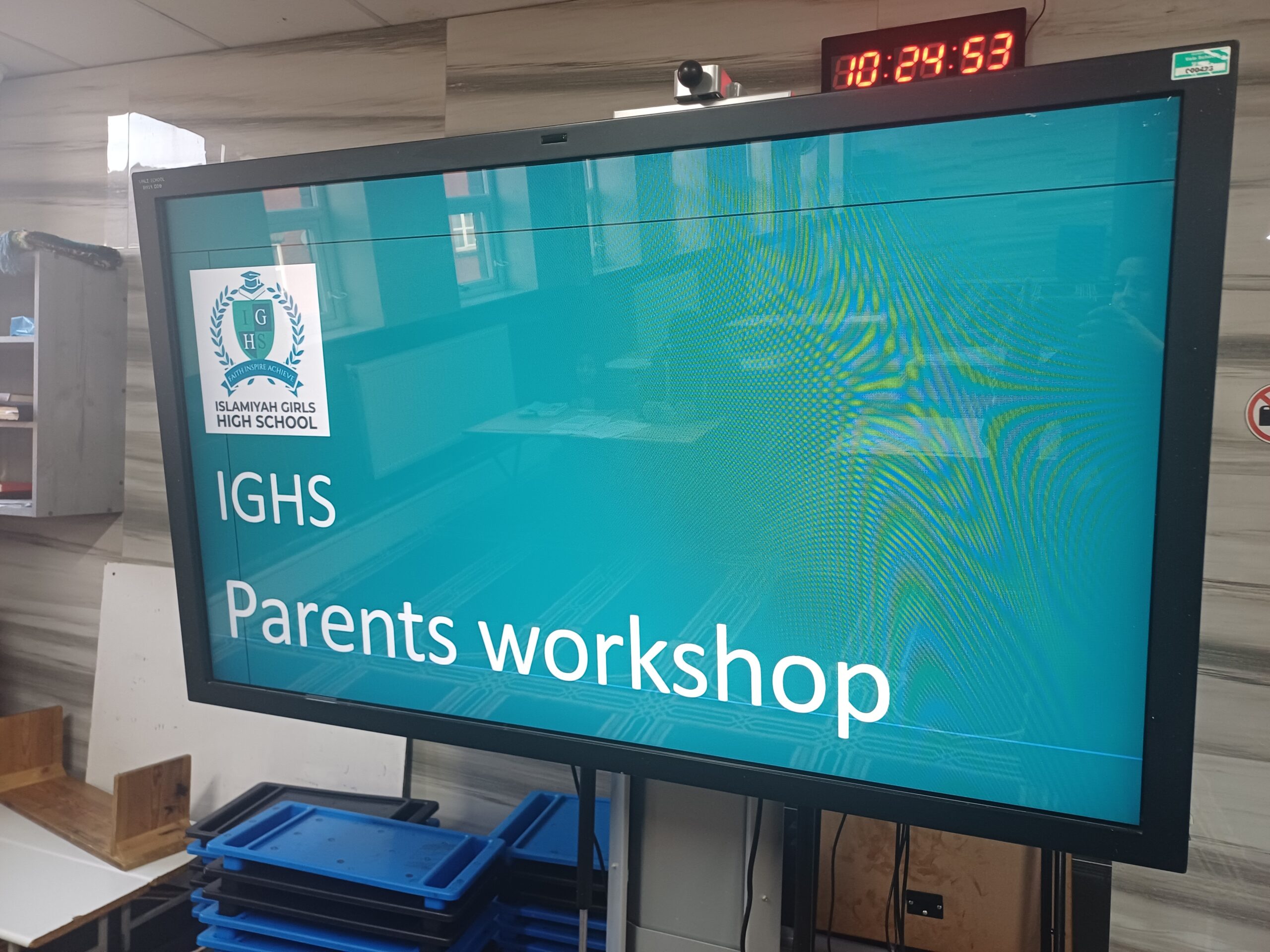
Teaching and learning approaches are explicitly modelled for students and shared with parents and carers through parent–child workshops, enabling families to understand and reinforce the strategies used in the classroom. This further supports confidence, independence, and continuity in learning.
Parent workshop testimonials
“The session was extremely helpful and gave me new ideas for supporting my children’s learning at home. The atmosphere was warm, kind, and friendly.” – Year 8 parent
“The workshop was very beneficial, with clear and helpful information shared throughout. I was able to understand each point that was explained.” – Year 9 parent
“This workshop was very helpful and gave me useful information that I can use in the future.” – Year 9 student
Metacognitive Strategies
Key information is carefully supported through the use of mnemonics, chunking, and a range of memory aids. This approach supports pupils with working memory difficulties by breaking information into manageable steps, helping students retain and retrieve knowledge more effectively. It also encourages active engagement with learning. As a result, pupils demonstrate improved recall in lessons and assessments, with this strategy benefiting all learners, particularly those who find memorisation or processing challenging.
Different components of answers are presented using colour to help pupils visually distinguish between parts of a response. This supports understanding of structure and sequencing and is particularly effective for pupils with literacy difficulties. As a result, students produce clearer, more organised written work, are better supported in moving from scaffolded to independent writing, and develop stronger metacognitive awareness of how effective answers are constructed.
Students are provided with printed worked examples alongside verbal explanations, allowing them to revisit learning at their own pace. This supports pupils who find note-taking or processing spoken information challenging and helps reduce cognitive overload during explanations. As a result, students show greater independence during tasks, improved retention and retrieval of learning, and this approach is particularly effective for SEND pupils, EAL learners, and those with lower prior attainment.
Structured Support
Model answers (WAGOLLs) are explicitly shared for written and extended responses through an I do, We do, You do approach, ensuring success criteria are made clear rather than assumed. Teachers first model what a successful response looks like, explicitly highlighting key subject terminology and language features. Pupils then construct responses collaboratively, with the option to use a bank of keywords, sentence starters, and writing frames as needed, before moving towards independent application.
This approach supports pupils who find it difficult to visualise expectations and reduces barriers for SEND and EAL learners, while maintaining high expectations for all. As a result, students produce higher-quality written work, develop confidence in independent tasks, and follow a clear pathway from scaffolded support to independent success.
Explicit Teaching of Disciplinary Literacy and Command Words
Disciplinary literacy is explicitly taught to ensure pupils understand how language is used within each subject area. Key command words and subject-specific language are broken down and modelled so that expectations are clear and accessible. Rather than being taught in isolation, these literacy elements are creatively embedded within lessons through targeted starters, mid-lesson checks, and plenary activities.
Teachers explicitly teach pupils how to decode command words by linking them to the thinking processes and response structures required, enabling learners to approach tasks with greater confidence and accuracy. This approach reduces barriers for SEND and EAL pupils by making academic language visible and manageable, while supporting all learners to engage more effectively with assessment tasks and demonstrate their understanding. As a result, pupils develop stronger disciplinary literacy, improved task interpretation, and increased independence across subjects.
Knowledge retrieval
Retrieval practice is an integral feature of all lessons and is embedded throughout teaching rather than confined to lesson starters. Low-stakes quizzes are used regularly to revisit prior learning, check understanding, and reinforce key knowledge in a supportive, non-threatening way. Once new content has been taught, it is systematically revisited and reinforced over time through planned retrieval opportunities to strengthen long-term memory and understanding.
This approach is particularly supportive for pupils with memory and processing difficulties, including those with SEND, as it reduces cognitive load and builds confidence through frequent, manageable recall. By routinely retrieving and applying knowledge, pupils make stronger links between prior and new learning and are increasingly able to apply what they know independently across the curriculum.
Engaging and Multisensory Teaching
Teaching across the curriculum is carefully designed to ensure high levels of engagement and accessibility for all learners. Lessons incorporate a wide range of active and multisensory approaches, including acting out scenes from A Midsummer Night’s Dream during plenaries, using engaging video clips, and incorporating atmospheric elements such as sound to support creative writing in Gothic literature and Art. AI-generated videos and reconstructions are also used to bring learning to life, for example by immersing pupils in experiences such as life in Victorian times or walking through the streets of Ancient Rome, supporting historical understanding and contextual awareness.
In PSHE, students take part in practical activities including creating revision clocks and enterprise projects. In Science, learning is reinforced through regular practical investigations, carousel activities, and structured debates, while in Business Studies students engage in applied learning through activities such as Dragons’ Den-style projects. Together, these approaches support understanding, retention, and the application of knowledge, benefiting all learners and particularly supporting SEND pupils through varied, engaging, and meaningful learning experiences.